







Search Results for: Latte Milk Pairing
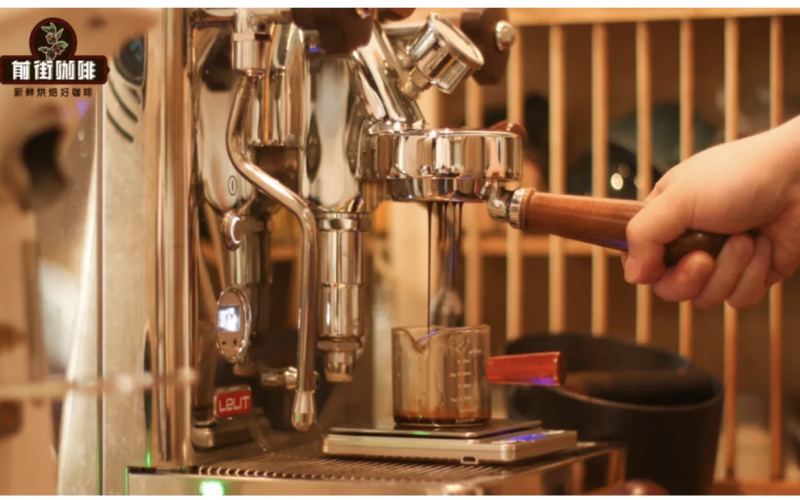
Bean pairing ideas for a coffee shop's espresso line
An espresso line at a coffee shop typically accounts for over 70% of total drink output. The quality of core beverages like Americano, latte, cappuccino, and Dirty largely depends on whether the right beans are chosen. The mature approach to bean selection for an espresso line is a "base blend + specialty blend" combination: one stable base bean to support [more…]
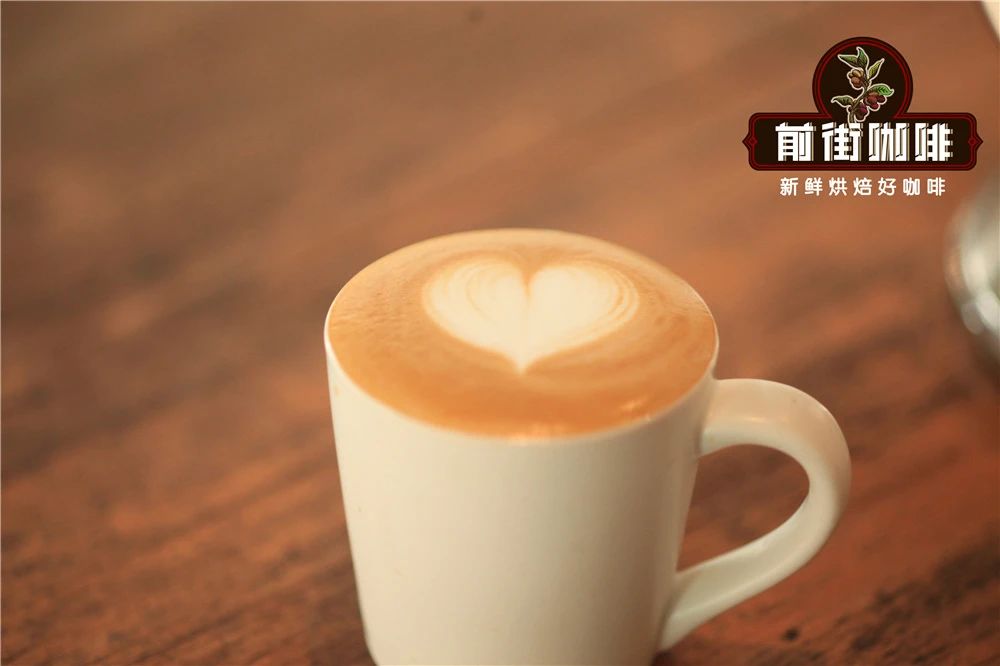
Types of Italian Milk Coffee | What are the differences in flavor and mouthfeel between Piccolo, Flat White, Latte, Mocha, and Cappuccino? Where did the Piccolo coffee originate?
For more specialty coffee knowledge, please follow our WeChat official account: Front Street Coffee (FrontStreet Coffee). Front Street Coffee (FrontStreet Coffee) has shared how to make several espresso drinks, and aside from the more common ones, quite a few readers have also responded [more…]
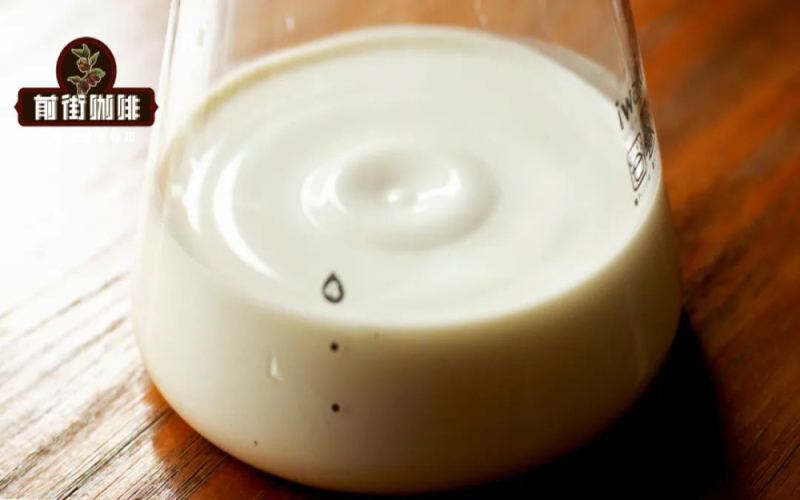
Water Buffalo Milk Latte and Dirty: Can Milk Foam Latte Art, Sweetness, and Coffee Flavor Coexist?
Buffalo milk has long been a specialty dairy product in the Guangdong and Guangxi regions, and in recent years it has been increasingly used by coffee enthusiasts to pair with espresso. It contains higher levels of protein, fat, and calcium than regular milk, with a lower water content, making it sweeter and silkier to drink. So, is buffalo milk actually suitable for latte art? And what does it taste like in an iced latte or a Dirty? This time, Front Street Coffee selected the refrigerated fresh buffalo milk from the local Foshan brand Baifulu, paired with Front Street Coffee's classic blend coffee beans, to make three drinks: a flat white, an iced latte, and a Dirty. From milk foam texture and latte art performance to the flavor on the palate, we tested each one to see whether the combination of buffalo milk and coffee can achieve an effect where 1+1>2. [more…]
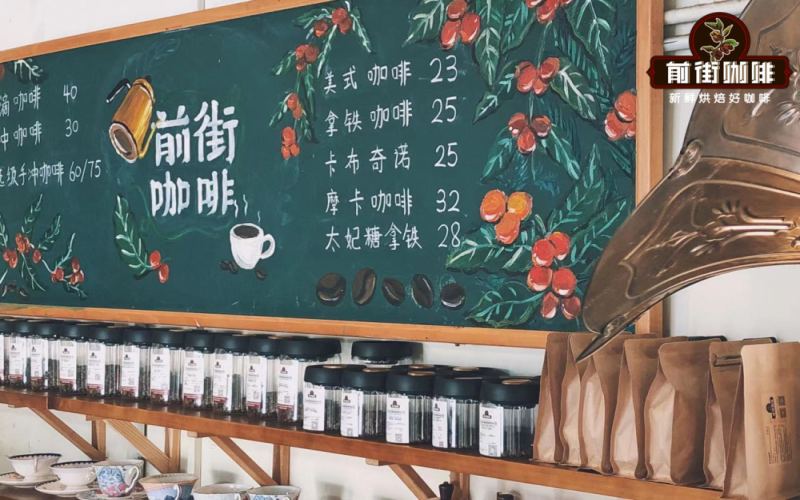
Coffee Types | Is Iced Americano Black Coffee? Is Americano Bitter? What Do Americano, Latte, Cappuccino, and Mocha Refer To?
Every time we visit a café, we always see four "regulars" on the coffee menu: Americano, Latte, Cappuccino, and Mocha. They are all espresso-based Italian-style coffee drinks. So what are the differences between them? When we go to a café, how should we [more…]

Latte | Why doesn't a homemade latte taste as good as one from a coffee shop? How do you make a standard Latte?
Today we're revisiting a familiar topic, because recently many friends took advantage of e-commerce promotions to buy coffee machines and start making coffee at home, only to find that the coffee they brew tastes completely different from what they expected. Even when using the same setup as Front Street Coffee's cafes, what they make just doesn't taste as good as what they drank in-store. [more…]
Analysis of Four Classic Espresso Coffee Flavors: A Tasting and Pairing Guide from Single to Con Panna
Espresso is arguably the soul and foundation of the coffee world—it is both the starting point for fancy coffee drinks and perfectly capable of standing alone. A proper Espresso should be topped with a thick layer of dark brown crema, densely marbled with fine striations, and it is already captivating without any embellishment. In this article, we will break down four classic espresso drinks one by one—Single espresso, Macchiato, Double espresso, and Con panna—covering flavor characteristics, extraction essentials, drinking methods, and pairing suggestions, to provide coffee lovers with a complete tasting reference. Whether you are a newcomer to Italian-style coffee or a seasoned connoisseur chasing intense flavors, you will find the right cup for you. [more…]
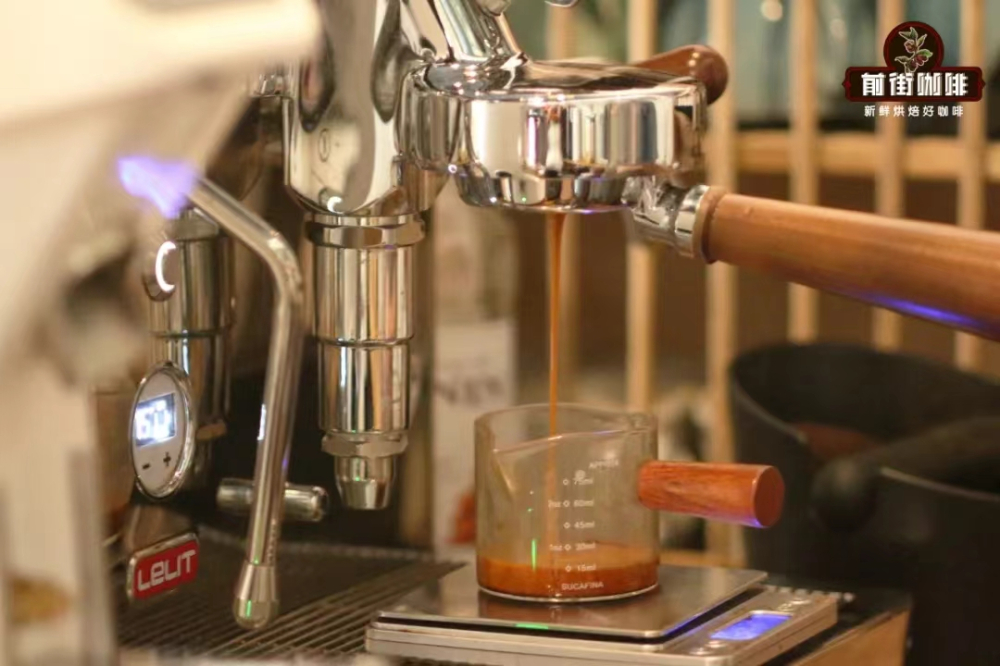
Espresso Extraction Ratios | How Many Milliliters Is a Single Shot of Espresso? What's the Difference Between a Single Shot and a Double Shot?
For more specialty coffee knowledge, please follow our WeChat official account: FrontStreet Coffee. Coffee lovers who often drink Italian milk coffee know that making a milk coffee requires pairing espresso with milk, such as FrontStreet [more…]
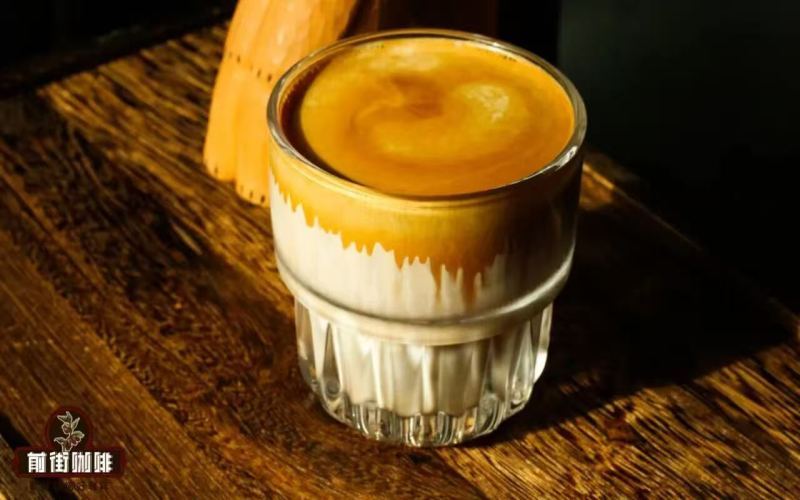
What beans pair with a latte, cappuccino, and Dirty respectively?
They are all milk coffees, but a latte, a cappuccino, and a Dirty differ in milk foam thickness, temperature, and drinking method, so they also have slightly different requirements for the beans. Choose the right beans, and each milk coffee can show its best form. Latte: balance and richness are the key. A latte has thinner milk foam, and the ratio of coffee to milk is close, [more…]
Espresso Tasting and Pairing Handbook: Drinking Techniques and Flavor Pairings from Single to Con Panna
Espresso, called by many seasoned enthusiasts the gongfu tea of the coffee world, is both the base of flavored coffee drinks and a way to present pure flavor on its own. This article systematically sorts through the drinking methods and pairing suggestions for four classic espressos—Single espresso, Macchiato, Double espresso, and Con panna—breaking down the finer points one by one, from cup volume, milk foam, and strength to the thickness of the crema. At the same time, it combines Front Street Coffee's product recommendations to help coffee lovers find the cup that suits them better, whether at home or in a café. [more…]
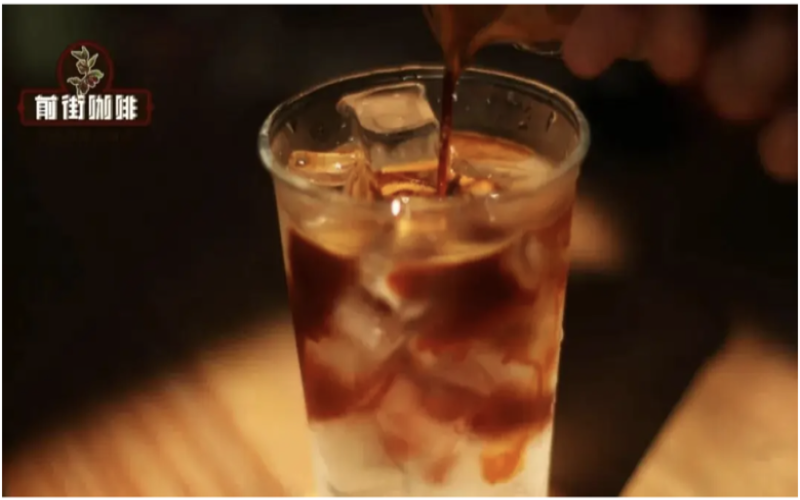
Cold Brew on Ice: A Pairing Guide by Region
Think of cold brew as an "iced map of coffee origins," and the way you choose beans suddenly opens up: the character each origin shows under cold extraction is far more sharply defined than when served hot. Take a lap along the Coffee Belt and map out how well each major origin suits cold brew—brew by the map this summer, and every cup will surprise you. First stop, [more…]
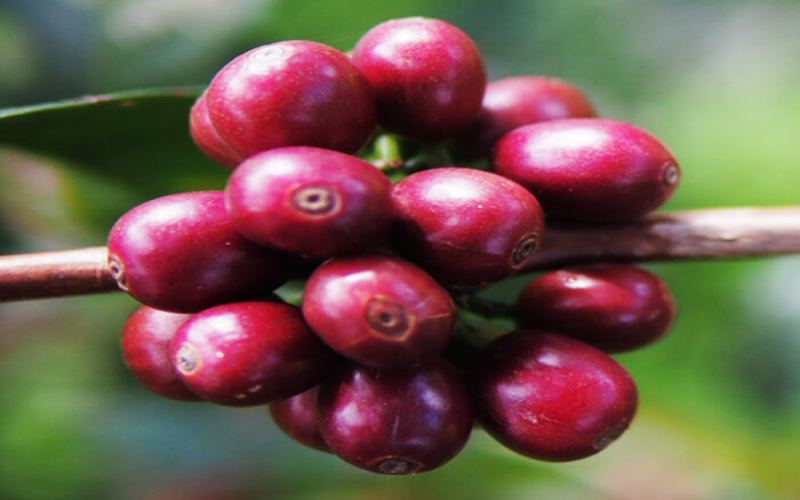
Choosing Drinks for SOE by Roast Level: A Flavor Guide from Pour-Over to Milk Coffee
SOE refers to single-origin espresso beans, where the distinct characteristics of the region, variety, and processing method all come together in a single shot. It doesn't belong to just one type of drink; what really affects the pairing is often the roast level. Light roasts emphasize floral and fruity notes with bright acidity, medium roasts are easier to balance, and dark roasts bring out cocoa, nutty, and [more…]
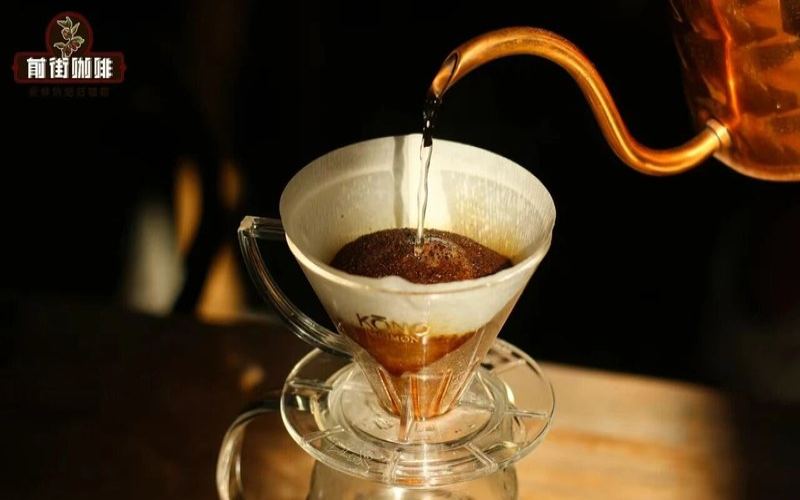
Choosing beans for a Bialetti moka pot by roast level: pairing flavor with heat like this
Coffee brewed with a Bialetti moka pot is strong and aromatic, and the roast level of the beans directly affects how it tastes. Light roasts tend to show bright acidity and fruity notes, medium roasts more easily produce sweetness and balance, and dark roasts offer cocoa, nutty notes, and a heavy body. To get the hang of using a moka pot, you can start with the roast level [more…]
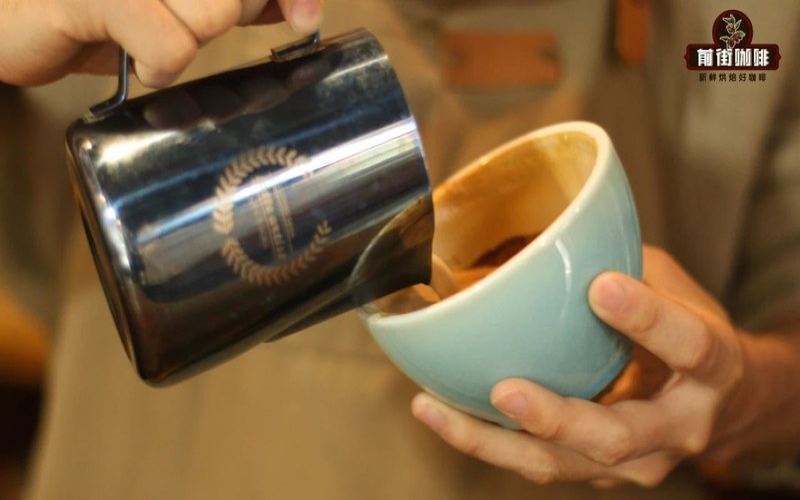
Light, Medium, and Dark Roasts: How to Choose for an SOE Latte
SOE can certainly make a delicious latte, and its appeal isn't just in the words "single origin." Once the espresso is mixed with milk, the roast level directly shapes the character of the whole cup: light roasts are livelier, medium roasts are more balanced, and dark roasts are richer. To find a combination that suits your taste, you can start with your preferred roast. [more…]

Coffee Latte | What are the methods and techniques for making a latte? Which espresso beans are suitable for making a latte? Introduction to the latte milk-to-coffee ratio and espresso extraction recipe
Making a latte can be said to be a skill for every barista: first extract the espresso, then prepare the milk, and let the two achieve a perfectly balanced taste. But many friends say that when they make lattes at home, they always fail to achieve the effect of a coffee shop, so they ask Front Street Coffee for tips on making latte coffee. Iced latte coffee see [more…]
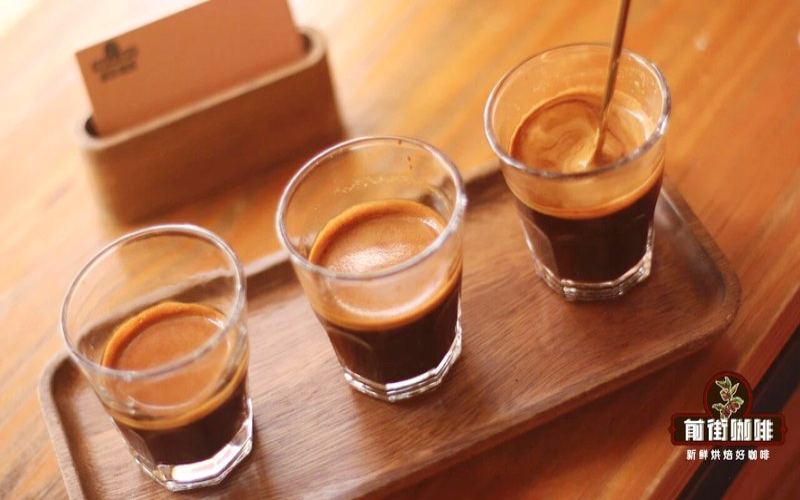
Choosing Beans for Your Moka Pot by Roast Level: A Pairing Guide from Crisp to Rich
Coffee brewed in a moka pot usually has concentrated aroma and a full body, and the roast level of the beans directly shifts the balance in the cup. Light roasts tend to leave bright acidity and fruity notes, medium roasts often show soft sweetness and clear layering, while medium-dark or dark roasts push cocoa, nutty and roasted notes to the front. You can first base it on what you like [more…]

Light Roast, Medium Roast, Deep Roast: Pairing Coffee Machine Beans This Way
Espresso machines extract quickly and concentrate pressure, so the roast level of the beans directly affects aroma, strength, and mouthfeel. Even in the same cup of black coffee, a light roast may taste bright and lively, a medium roast comes across sweeter and smoother, and a dark roast feels heavy and full-bodied. When choosing beans for your machine, start by looking at the roast color and flavor profile, then match them with your own [more…]
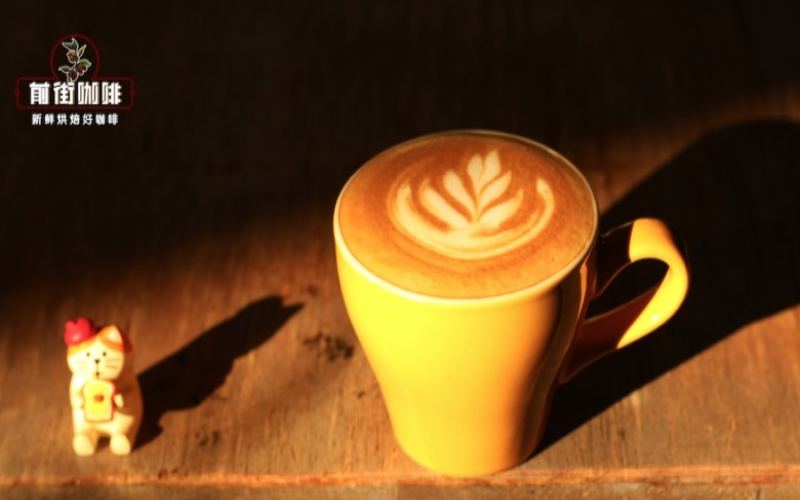
A World Tour of the Milk Coffee Family: Bean Pairings for Seven Kinds of Milk Coffee
Latte is just one member of the milk coffee family—from Rome's cappuccino to Melbourne's flat white, from Spain's cortado to Vietnam's egg coffee, "coffee with milk" has evolved into a vast family across the globe. Each milk coffee is a unique local cultural solution to the ratio of milk fat, and behind each solution lies a different [more…]
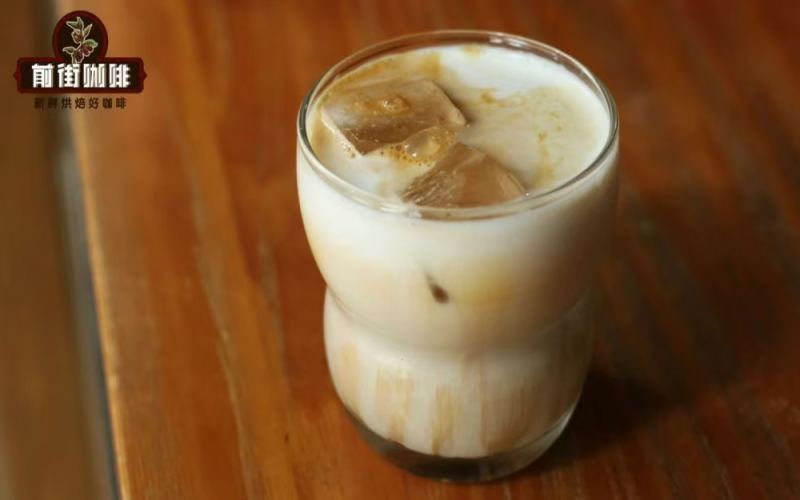
Spanish Latte Recipe | Can You Add Condensed Milk to Black Coffee? What's the Difference Between a Spanish Latte and a Regular Latte? What's the Milk-to-Coffee Ratio in a Spanish Latte?
Today, the menus in coffee shops are rich and diverse, and in order to cater to more people's tastes, adding various dairy products and flavored syrups to coffee is also very common. So have you ever heard of coffee with condensed milk? Adding condensed milk is to mask the strong bitterness in coffee. In Vietnam, the aroma of coffee drifts through the streets and alleys. [more…]
Types of Milk Coffee | What Is Piccolo Coffee? How Does Piccolo Differ from Latte and Flat White?
When it comes to hot milk coffee, the ones everyone has probably been drinking all along are latte and cappuccino, while in recent years the more popular one is Flat White, that is, Australian-style white coffee. Flat White is different from latte—it originated in the Oceania region. But did you know? Actually, besides Flat Whi [more…]
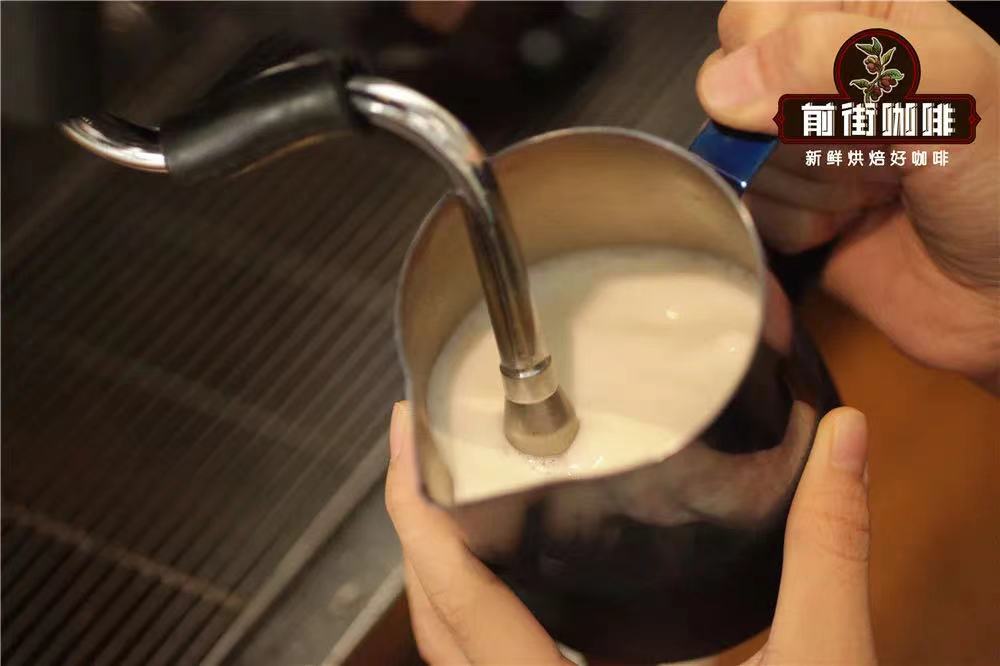
Homemade Latte Recipe | How Can Coffee Beginners Make a Delicious Latte at Home? What Is the Coffee-to-Milk Ratio for a Latte?
For professional coffee knowledge exchange and more coffee bean information, please follow Coffee Workshop (WeChat official account: cafe_style). For more specialty coffee beans, please add our personal WeChat Front Street Coffee (FrontStreet Coffee), WeChat ID: qjcoffeex. Quite a few friends have asked [more…]